Amcor (AMC). This morning, Amcor, the world’s largest consumer packaging company, released its results for the September Quarter. The HNW Portfolio has a 5% weight in AMC.
Key Points:
- Profits Up: Revenue was up +6% to US$6.1 billion, and volumes up +2%, but quarterly profit was down slightly to US$440M. Margins were again impacted by delays in passing through raw material costs, with Amcor passing on US$450 million in increased resin costs to customers, as well as US$17M in lost earnings from asset divestments from the Berry acquisition.
- More Synergies: AMC has been tracking ahead of management expectations, with the business achieving more synergies post-merger with Berry. Management delivered $60 million in cost synergies during the quarter, with another $70 million expected in the December quarter.
- Strong Balance Sheet: AMC’s balance sheet remains strong with $14 billion net debt or 3.8x leverage, well within expectations of what this type of business can handle. AMC leverage is expected to continue to deleverage, with AMC targeting 3.0x leverage by December next year, benefiting from further synergies.
- Dividends Up Slightly: AMC announced a dividend of USD$0.66 per share, representing a 1c increase = 6% dividend yield paid quarterly
- Outlook: AMC management outlined a weaker outlook for the business over the next six months due to the timing of pass-through mechanics for energy and distribution costs. This is a timing issue that AMC management expects to fully recover in 2027.
- Why is the stock down? The stock fell on the outlook for the next six months, but those months are typically quieter as the business builds inventory for North American summers. The positive takeaway was the return to organic volume growth, which will drive long-term earnings for the business.
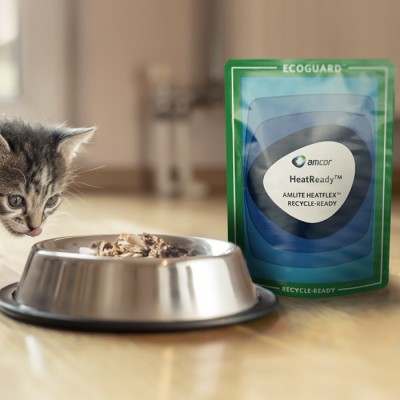
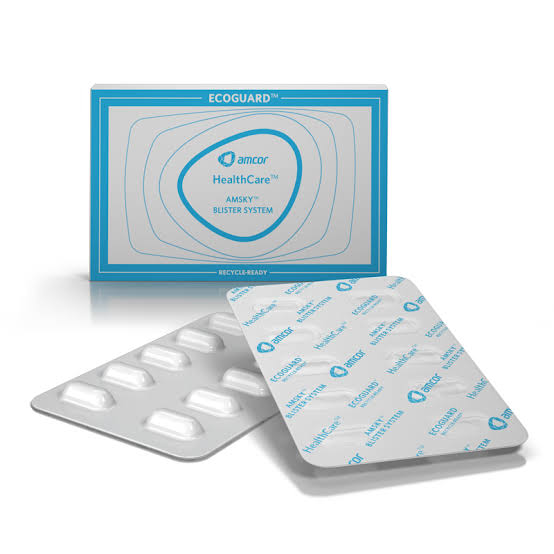
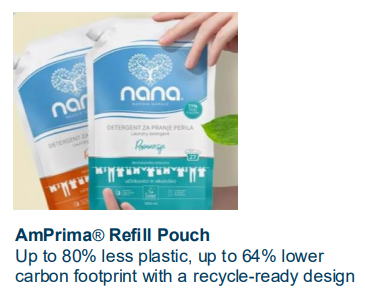
Portfolio Strategy: Amcor is the largest global packaging company with operations in 43 countries. While packaging is not the most exciting industry, Amcor exposes the portfolio to global growth in consumer and medical goods and manufacturers’ demand for increasingly sophisticated packaging. 95% of AMC’s customer base is in consumer staples, such as packaging for meat, cheese, sauces and condiments, beverages, coffee, pet food, healthcare and personal care products, all of which have stable defensive characteristics.
AMC trades at an undemanding PE of 10x with a full-year dividend yield of 6%, extremely cheap for a company growing earnings above 10%.
AMC finished down 7.8% to $62.11, though the stock was up +9% last month; a lot of volatility for a quite boring industrial company selling non-discretionary food, beverage and medical packaging.